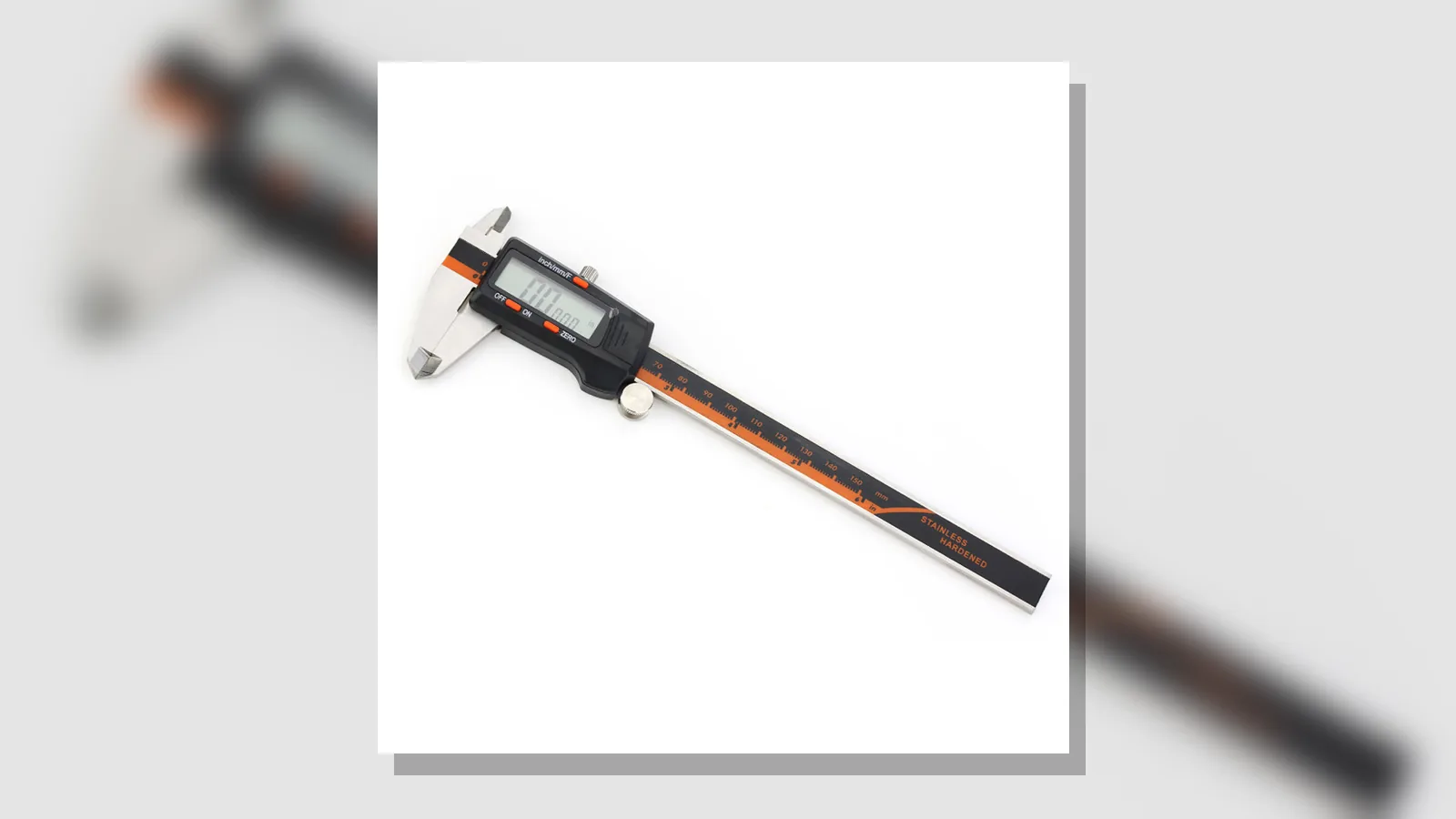
Digital caliper vs micrometer: choose by the job, not the display
If you need one tool for mixed workshop measuring, a digital caliper is usually the better choice; if the job calls for more specialised fine measurement, a micrometer is the stronger fit.
Answer the choice question in the opening: versatility versus specialised fine measurement
The practical decision is simple: choose a calliper when you want one instrument that can handle several everyday measuring tasks, and choose a micrometer when the task is narrower and demands more focused, fine measurement. RS describes callipers as versatile, while NPL’s metrology guidance treats callipers and micrometers as tools that should be chosen according to the measurement task, force and verification needs.
Compare outside, inside and depth access
A calliper earns its place because it can do more than one job. The same tool can check outside dimensions, inside dimensions, depth and step measurements, which makes it useful for routine DIY and workshop work.
- Outside measurements: use the external jaws for widths, diameters and thickness checks.
- Inside measurements: use the inside jaws for bores, slots and openings.
- Depth and step measurements: use the depth rod and step faces for recesses and shoulders.
- Micrometer contrast: a micrometer is the more specialised option when the measurement is concentrated on one type of fine dimension rather than broad access.
Explain range, contact force and resolution without assigning unverified product figures
Three points matter more than the screen alone: range, contact force and resolution. Range is whether the tool can span the part you actually need to measure. Contact force matters because pressing too hard can affect the reading or the part itself, which is why NPL includes measuring force in its guidance. Resolution is the smallest display increment, but it should be weighed alongside the task and the verification process rather than treated as the whole story.
Range
Pick the tool that comfortably covers the parts you measure most often. A calliper is usually the more flexible starting point for mixed-size work.
Contact force
Keep pressure consistent. If the material is soft, thin or easy to deform, the way the tool is used matters as much as the tool itself.
Resolution
Display granularity helps, but it does not replace good measurement practice. The right choice is the one that suits the part, the job and the control you need.
Use a task-by-task decision table for DIY and workshop jobs
If you are deciding between a digital caliper and a micrometer, start with the task rather than the brand or the display. This table gives a practical first pass for common jobs.
| DIY or workshop job | Better starting point | Why |
|---|---|---|
| Outside diameter of rods, bolts or fittings | Digital caliper | Useful for quick, general-purpose external measurements. |
| Inside diameter of holes, slots or channels | Digital caliper | Inside jaws make routine internal checks straightforward. |
| Depth of recesses, grooves or shoulders | Digital caliper | Depth measuring is part of the calliper's everyday versatility. |
| General thickness checks on mixed parts | Digital caliper | Best when you want one all-round tool for several jobs. |
| Specialised fine thickness or diameter measurement | Micrometer | Better suited when the work is narrower and more focused on fine measurement. |
Show when repeatability and traceability requirements change the choice
Repeatability is about getting the same result when you measure the same part again under the same conditions. Traceability is about being able to link the reading back to a known standard through calibration. When either matters, the question is no longer only whether the tool is versatile. It also depends on how the instrument is verified, how contact force is controlled and how uncertainty is handled.
- Routine use: a calliper is often the practical option for day-to-day comparison checks.
- Recorded measurement: if the value will be kept, shared or used in a quality decision, pay close attention to calibration and uncertainty.
- Specialised work: a micrometer may be the better fit when the measurement is narrow, repeatable and tightly defined.
Finish with a pre-purchase checklist and restrained ACCUMEASURE CTA
Before you buy, check the job first and the tool second.
- Confirm whether you need outside, inside, depth or step access.
- Match the measuring range to the parts you actually work with.
- Think about contact force if the material is soft, thin or easy to deform.
- Decide whether repeatability, calibration or traceability needs to be part of your process.
- Choose a calliper for broad versatility, or a micrometer for specialised fine measurement.
If a general-purpose 6-inch stainless-steel USB-rechargeable digital caliper suits your shortlist, see ACCUMEASURE current product details.